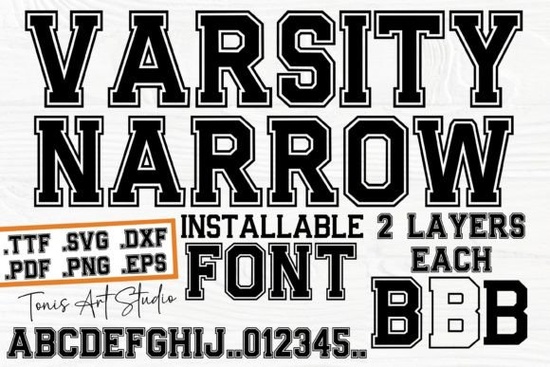
If you are working on a project that needs that immediate sense of energy and tradition, choosing the right typeface makes all the difference. You might be looking at creating merchandise for a local team or designing a custom invitation for a school event. In either case, the Varsity Narrow Font offers a specialized look that stands out without overwhelming the viewer. It brings back memories of high school letterman jackets, college alumni gatherings, and classic sports bars. We often forget that simple visual cues trigger strong emotional responses, and having a character that fits that nostalgic vibe saves hours of searching through generic libraries.
What types of projects does this typeface support?
When designers think about sports themes, they usually jump to standard block lettering. However, this narrow version offers a sleeker profile that works well on narrower spaces. Consider making t-shirts where the chest logo needs to fit under the neckline comfortably. You can place the text across the front or down the sleeve. Because the characters are outlined, they are easy to recolor or fill with gradients depending on your brand palette. You could use white outlines on a dark navy shirt, or gold fills on a red banner.
It is not limited to apparel alone. Many creators use these shapes for wall art in bedrooms or game rooms. Imagine a framed print that says HOME GAME DAY in large, bold strokes hanging above a sofa. The wide spacing allows the image to breathe, preventing the text from feeling cramped against the frame edges. This versatility extends to digital media as well. Social media posts for upcoming games benefit from the legibility of the style, ensuring people can read the details quickly while scrolling on mobile screens. You can adjust the tracking or leading slightly to match your social platform’s layout constraints.
How does it compare to other retro styles?
Sometimes you might want a different variation of that athletic theme. If you prefer a more casual, preppy look that still retains structure, exploring similar bold options might help broaden your toolkit. Those alternatives offer personality without losing clarity. For projects requiring a softer history feel, moving towards vintage typography provides a contrasting texture. You can mix the crisp lines of the varsity look with ornamental elements if your design requires extra flair.
Another common request involves stacking text vertically or creating layered logos. While this specific family focuses on a horizontal flow, checking out chunky letter styles helps you understand how to manage vertical weight better. When building complex illustrations, you often find yourself needing to break up lines of copy. Using editorial guidelines helps maintain readability in those scenarios. Referencing editorial layouts teaches us how to balance heavy fonts with lighter supporting text. This ensures the background remains visible and the message stays clear.
For those ready to apply the font immediately, accessing the dedicated page gives you access to the full set of files required. These typically include OpenType or TrueType formats compatible with most design software like Adobe Illustrator, Photoshop, or free vector programs. Most users appreciate getting the outline version alongside the solid version because it opens up more creative possibilities. You can turn the letters into stencils, combine them with clipart, or isolate individual characters to build your own icons.
Tips for successful printing and production
Before sending files to a print shop, always verify the color separation settings. Outlines can sometimes disappear if the printer is set to process black ink differently than colors. Saving your final artwork as a PDF with embedded fonts avoids compatibility issues between versions. If you are producing physical goods yourself, test a small batch first to see how the ink lays down on fabric. Cotton blends hold ink differently than polyester, which affects how sharp the edges appear.
To ensure you get the best result, consider these quick steps:
- Verify Licensing: Always read the terms of service associated with your download. Some licenses allow unlimited sales, while others restrict certain volume levels.
- Kern Your Text: Adjust the space between letters manually so the gaps look even to the eye.
- Convert to Path: Outline all text layers in your design software to prevent missing font errors when sharing files.
- Check Resolution: Export your final images at 300 DPI for high-quality printing standards.
- Proofread Spacing: Ensure the wide nature of the font doesn't cause awkward breaks across two lines unintentionally.
Using a strong typeface like this builds trust with your audience. It signals attention to detail and professionalism. By following these basic checks, you reduce the risk of costly mistakes on your production floor. Whether you are starting a new side hustle or refreshing an existing brand, having reliable tools available makes the entire workflow smoother and less stressful.
Try It Free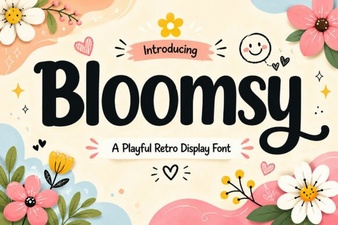 Bloomsy Font: Free Script & Display Typeface
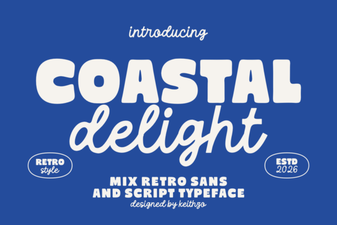 A Font for Seaside Designs & Websites
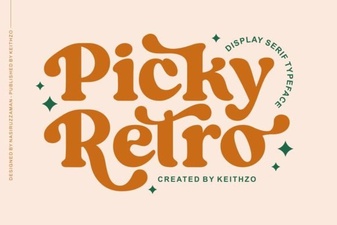 Creative Projects Using Picky Retro Fonts
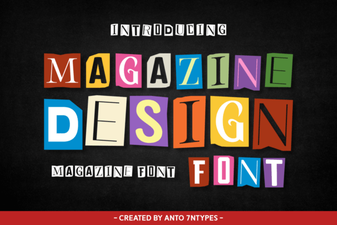 Font Selection & Layout Ideas for Magazine Design
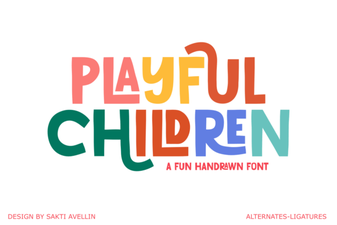 Fonts That Spark Joy for Children's Projects
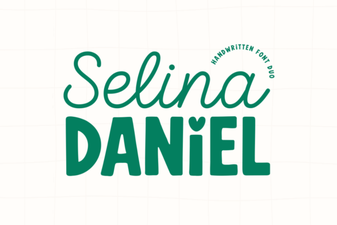 Selina Daniel Duo Font for Creative Projects