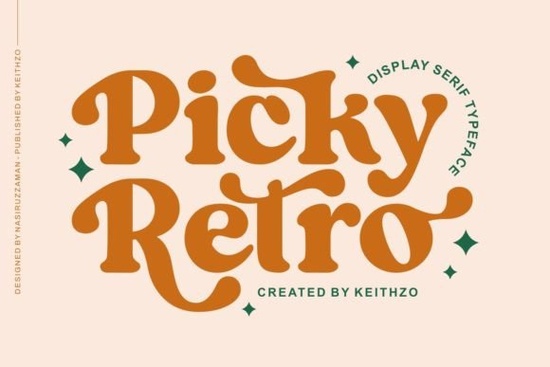
When working on projects that require personality without sacrificing legibility, finding the right typography is often the hardest part of the workflow. If you are looking for a typeface that combines strong structure with a warm, nostalgic feel, Picky Retro Font delivers a distinct visual identity suitable for various creative applications. Unlike basic geometric shapes, this family offers rounded edges and substantial strokes that catch the eye while remaining comfortable to read. Many creators choose this style because it avoids the cliché pitfalls of outdated designs while still honoring classic conventions.
What makes this typeface unique compared to other serif options?
The defining characteristic of this font lies in its balance between rigidity and charm. Standard serifs can sometimes feel too serious for modern branding efforts, while decorative scripts may lack the punch needed for headlines. This specific style manages to sit firmly in the middle ground. The letterforms are designed with enough weight to stand alone as a primary focal point. If you have ever looked at chunkier block styles, such as those found in stacked chunky fonts, you will notice similarities in their presence. However, the addition of subtle serif terminals here softens the overall impression significantly.
For enthusiasts who prefer a deeper dive into history-based aesthetics, there are sharper, more ornate alternatives available. Some older designs prioritize intricate details over clean readability. When searching for that level of complexity, styles similar to Old Victorian III fonts might offer the extreme texture you need. Yet, if your goal is clarity paired with vintage appeal, sticking with this bold option ensures your message remains accessible across different screen sizes and print resolutions.
How suitable is this for print-on-demand merchandise?
Creators selling through platforms like Redbubble or Shopify often worry about how text scales when applied to apparel or home decor items. Because this font relies on thick lines and high contrast, it maintains its shape even when reduced in size for small labels. When scaled up for wall art or large posters, it commands attention without appearing blurry or pixelated. For those designing mascot-style characters for brands, the solid forms pair well with illustrative assets, much like the approach seen in mascot college fonts.
One thing to consider regarding merchandise production is the kerning adjustment. Most display families come with pre-set spacing, but fine-tuning letters together can make a significant difference in professional-looking results. It is particularly effective when used in combination with secondary sans-serif body text to create hierarchy. This separation helps guide the viewer’s eye down the page effectively.
Can I pair it with other styles?
Versatility is key when selecting a typeface for a long-term brand identity. While this font works great on its own, mixing it with thinner or more delicate typefaces can create a balanced composition. If your design needs a lighter counterpart to offset the heaviness of the main headline, exploring duo fonts with contrasting weights can be very helpful. Styles akin to Selina Daniel Duo often provide the thin-to-bold ratio needed to complete a layout without clashing.
Similarly, adding a touch of organic flow can prevent the design from feeling too rigid. Sometimes a single decorative element or a soft curve breaks up the straight lines of a logo. In cases where you need those gentle flourishes, fonts like Bloomsy might serve as excellent supporting accents to round out your visual strategy.
What technical details should I know before downloading?
Before incorporating any new tool into your asset library, verifying the file format is essential for compatibility with your software. Most modern versions include TrueType and OpenType files, ensuring smooth operation in applications like Adobe Illustrator or Cricut Design Space. Additionally, checking the language support guarantees that special characters required for your market region are included. Ensuring you have access to the full set prevents unexpected gaps in your text later during the production phase.
Always review the license agreement associated with the download, especially if you plan to sell physical goods featuring the artwork. Commercial licenses typically allow unlimited end-product usage, whereas personal ones restrict redistribution. Keeping clear records of your permissions protects your business against potential copyright issues.
Quick Selection Checklist
- Review File Types: Ensure .OTF and .TTF formats are present for maximum editing flexibility.
- Test Scalability: Preview the text at both small (shirt tag) and large (poster) sizes.
- Check Kerning: Manually inspect spacing around 'AV', 'To', and 'Le' combinations.
- Verify License: Confirm whether your intended use case falls under personal or commercial rights.
- Pairing Options: Select a simpler sans-serif font to serve as body copy if using primarily for headings.
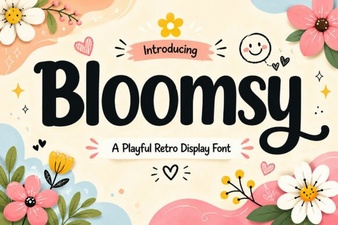 Bloomsy Font: Free Script & Display Typeface
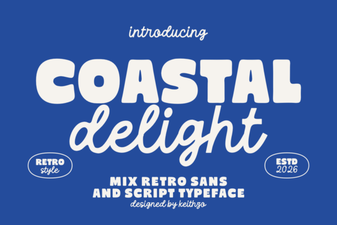 A Font for Seaside Designs & Websites
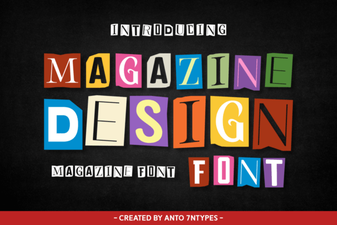 Font Selection & Layout Ideas for Magazine Design
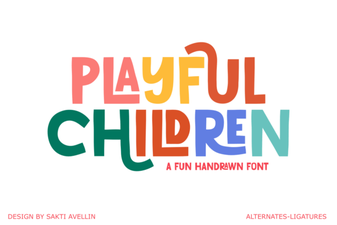 Fonts That Spark Joy for Children's Projects
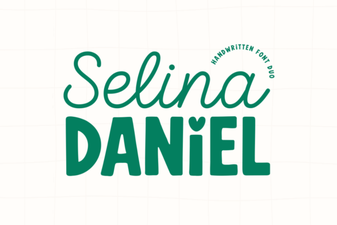 Selina Daniel Duo Font for Creative Projects
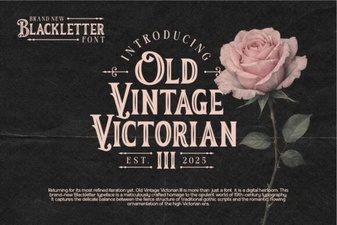 Crafting Projects with Victorian Style Fonts