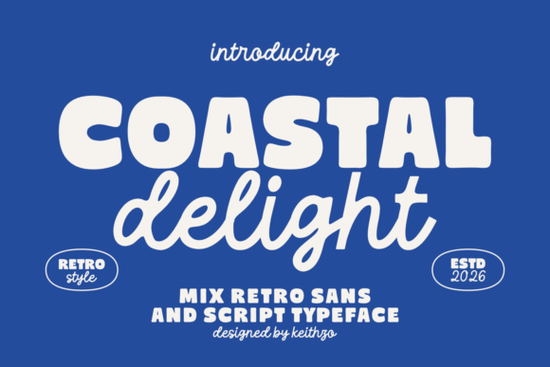
Finding the right typography can determine whether a design feels polished or amateurish. Often, creators struggle to balance bold headlines with readable details while maintaining a consistent brand voice. The Coastal Delight Font addresses this specific need by combining heavy, chunky letterforms with a graceful, hand-lettered script. This combination allows you to create visual hierarchy without forcing two completely unrelated typefaces. Instead, it offers a cohesive package that feels both nostalgic and approachable. If you are working on seasonal campaigns or local business branding, this tool provides a structure that supports your message immediately.
Why choose a typeface duo for your next project?
Using a single font family limits your ability to draw attention to specific parts of your layout. When you combine a blocky sans-serif with a flowing script, you create natural contrast. The heavy elements catch the eye quickly, while the script adds personality and warmth. This setup is particularly useful for posters, social media graphics, and product packaging where space is limited. It avoids the clutter that often comes from trying to force a standard font into a role it wasn't built for.
For instance, imagine designing a t-shirt for a summer event. A standard black Helvetica might look too corporate. This duo brings a vibe that fits the occasion better. The sans-serif handles the main message clearly, ensuring people read it across a distance. Meanwhile, the script adds a touch of humanity, making the piece feel less mass-produced. You can see this effect in various categories of Awesome Everybody, which also focus on friendly community vibes. However, that specific style leans more towards urban streetwear, whereas this option retains a lighter, breezier atmosphere.
How does it compare to other bold display fonts?
Selecting a font depends heavily on the emotional response you want to trigger. If your goal is raw energy and ruggedness, you might look at options like Cowboy Block Display. That style serves a western theme well due to its thick edges and historical inspiration. In contrast, this coastal option softens the impact with fluid lines. It sits somewhere between serious branding and casual conversation.
Another factor is legibility for different audiences. Younger demographics respond well to fonts that feel dynamic rather than stiff. Styles designed for families, such as Playful Children, prioritize fun shapes that are easy to recognize. While that specific typeface targets early education materials, the core principle of clear yet cheerful lettering applies here. Similarly, if you need a font that conveys friendliness and warmth, you might explore Have A Nice Day Honey. That choice brings a domestic comfort to the table. This duo, however, leans more toward open-air relaxation and golden hour lighting.
Memory plays a significant role in marketing. Customers connect with visuals that remind them of past experiences. Fonts that evoke nostalgia can tap into this psychological trigger effectively. Projects centered around preserving moments often benefit from typefaces that look vintage yet fresh. While Remember Things focuses on archival aesthetics, this version maintains a modern twist. It prevents the design from feeling dated while still honoring the retro spirit. This balance ensures your content remains relevant for years to come.
Where should you apply these fonts in your workflow?
You do not need to restrict yourself to print materials. Digital screens require clear contrasts so that text does not blur or fade away. Using the heavy sans-serif for titles ensures visibility even on smaller mobile displays. Pairing it with the script for subtitles adds depth without sacrificing readability. You can find this collection and others like it directly through the Creative Fabrica platform.
Many creators purchase their assets through Coastal Delight to save time searching manually. Once downloaded, you will typically receive files in formats like OTF and TTF. These work with most design software including Adobe Illustrator, Photoshop, or Cricut Design Space. This versatility means you can move from creating social posts to printing physical goods without needing complex conversions.
When setting up your layouts, pay close attention to spacing. Because the weights differ significantly, leaving enough room between the bold line and the script line is crucial. Crowding them together causes the design to look messy rather than styled. Test your combinations in grayscale first to check the contrast levels. If it reads clearly without color, the hierarchy is working correctly.
A practical checklist before finalizing your design
- Check License Terms: Verify if your subscription covers commercial merchandise like T-shirts and mugs.
- Adjust Tracking: Tighten the tracking on the sans-serif to create a solid block shape.
- Match Backgrounds: Ensure high contrast between the text and the surface to prevent eye strain.
- Test on Mockups: View the design on actual products to spot any rendering issues before selling.
- Proofread Twice: Scripts can look like different characters; double-check spelling.
By following these steps, you ensure that the typography supports your vision rather than distracting from it. This approach leads to professional results that clients and customers appreciate. Start with a simple headline and build from there to maximize the potential of this dual-style system.
Download Now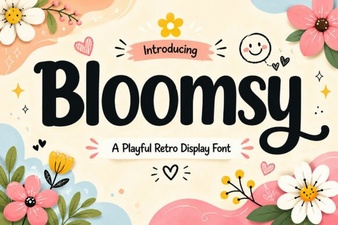 Bloomsy Font: Free Script & Display Typeface
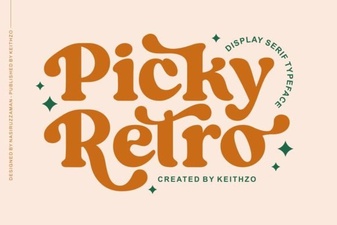 Creative Projects Using Picky Retro Fonts
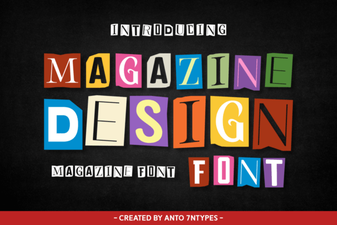 Font Selection & Layout Ideas for Magazine Design
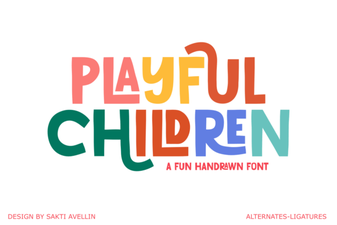 Fonts That Spark Joy for Children's Projects
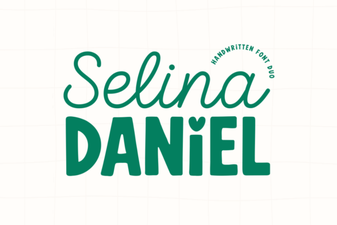 Selina Daniel Duo Font for Creative Projects
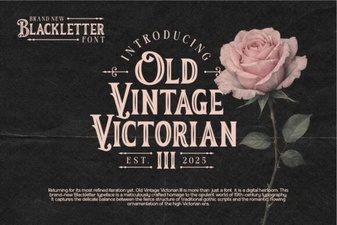 Crafting Projects with Victorian Style Fonts