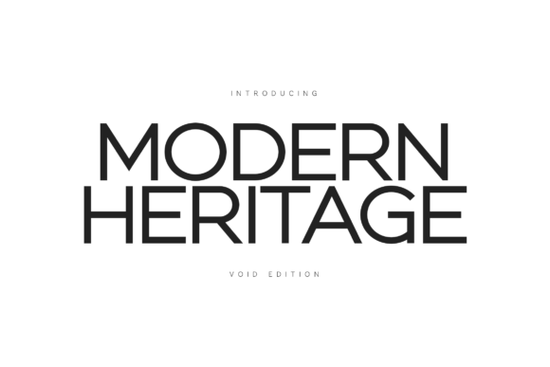
If you are building a brand identity that needs to feel established yet modern, the choice of typography sets the entire tone. Modern Heritage Font offers a high-contrast sans-serif style that masters the art of negative space. It takes the timeless proportions of classic Swiss typography and mixes them with a sharp, contemporary edge. By utilizing generous x-heights and ultra-clean, monolinear strokes, this typeface creates a sense of openness in even the most dense layouts. You can explore the full collection details here to see how it fits into your current project.
Why Minimalist Aesthetics Still Matter
In graphic design, less often translates to more. A minimalist approach removes unnecessary distractions, allowing your message to stand out clearly. This void edition version prioritizes breathability, making it ideal for architectural firms, interior design studios, and high-end fashion labels. When you apply these letters to packaging or website headers, they deliver a professional presence that feels both established and undeniably futuristic. While many fonts compete for attention, this style stands back and lets the content breathe.
For creators who appreciate clean geometry without sacrificing personality, it is worth looking at similar cleaner geometric choices available in our library. These alternatives share the same DNA regarding stroke uniformity and negative space management, giving you flexibility when planning multiple assets for a single campaign.
Best Use Cases for Commercial Projects
Selling on platforms like Etsy or running a print-on-demand shop requires designs that look professional instantly. Clients want to trust the quality of a service or product before they click buy. Using a polished typeface helps build that confidence quickly. Whether you are crafting a high-end luxury brand name or designing a sleek, tech-focused interface, the letterforms remain legible across sizes.
Here are a few specific applications where this style shines:
- Luxury Packaging: The high-contrast strokes draw the eye to premium materials used in boxes and bags.
- Tech Interfaces: Readability is key for dashboards or mobile apps, and the monolinear strokes help distinguish characters easily.
- Editorial Headers: Magazine covers or blog post titles benefit from the "breathability" that prevents text from feeling cramped.
If your project demands more visual weight without losing that modern feel, you might compare bold variations from other sans-serif families to see what pairs best with this lighter cut. Finding the right balance between headline weight and body text is crucial for maintaining hierarchy.
What Makes This Type Unique?
The term "Void Edition" implies a deliberate focus on the space between the characters. Many standard sans-serifs crowd their glyphs together, which can hinder quick reading speeds. In this set, the generous spacing ensures that information flows smoothly from left to right. This characteristic is particularly important for long-form web copy or signage where viewers might glance over the text quickly. It captures the essence of Swiss typography the idea that form follows function perfectly.
When selecting a tool for your workflow, reliability matters. Modern Heritage Font is optimized for various file formats, ensuring compatibility with Adobe Illustrator, Canva, and other design software commonly used by crafters and professionals alike. Consistency across different mediums prevents artifacts or blurriness when scaling down logos or blowing up banners.
Troubleshooting Common Typography Issues
Sometimes, text looks good on screen but loses impact in print. This can happen if the file resolution is low or if the kerning isn't adjusted for physical media. To avoid blurry edges on t-shirts or posters, always export your final artwork as a vector PDF or SVG. Also, check the tracking settings on the software you are using. Tightening the tracking slightly often adds a touch of polish to all-caps headlines, while looser tracking suits lowercase introductory lines better.
Tip: Always proofread your text twice before sending files for production. Small typos are easily missed when you are focused on layout elements.
Choosing the Right Style for Your Brand
Design decisions should align with your core values. If your business targets young professionals in the tech sector, a font with a futuristic lean works well. Conversely, if you cater to artisan markets, you might prefer softer serifs. This particular option bridges the gap between rigid structure and fluid motion. It sits comfortably in the middle ground, offering versatility for diverse audiences.
To make sure this asset is the right fit, try testing it against your logo mark or existing imagery. Does it complement the shapes already present in your design system? If the curves of the letters clash with the angles of your icons, you may need to soften the edges elsewhere to create harmony.
Quick Implementation Checklist
Before purchasing, run through these steps to ensure success:
- Check Licensing: Verify if you need a commercial license for resale items like t-shirts or mugs.
- Test Spacing: Type out common letter combinations like "ll," "ii," and "rn" to check for collisions.
- Verify Weight: Ensure the bold or regular weight matches your intended design size requirements.
- Embed Files: Always embed fonts in your final documents to prevent substitution errors later.
- Backup: Save a copy of the font files locally in case you need to reinstall software in the future.
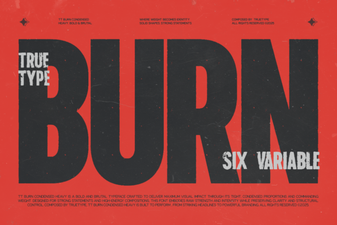 The Trt Burn Font Design and Download Guide
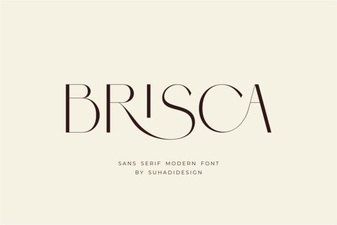 Brisca Font: Designer Tips & Creative Projects
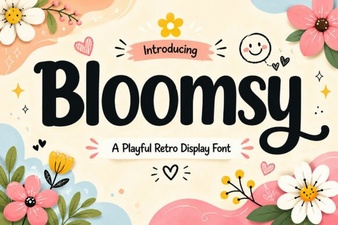 Bloomsy Font: Free Script & Display Typeface
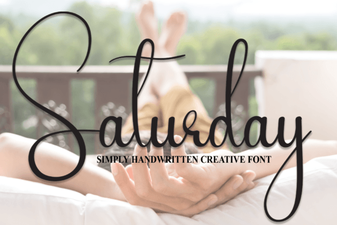 Saturday Font: Design Ideas & Free Download
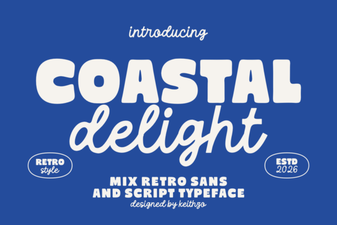 A Font for Seaside Designs & Websites
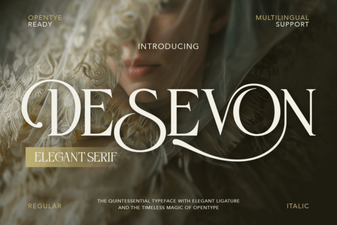 Desevon Font: Creative Typeface Design Ideas